
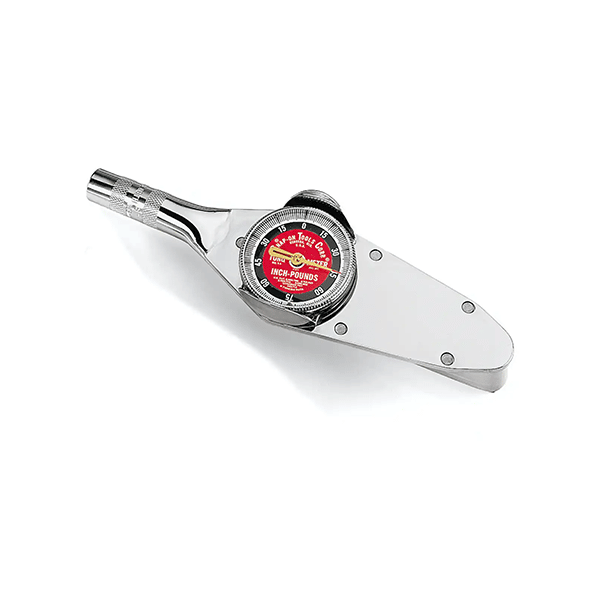
TORQOMETER® U.S. Basic – TE51F
-
Mã SKU: TE51FSKU: TE51F
-
Categories: Torqometer® Torque Wrenches, Torque, US Reading/Standard 2% Accuracy.Categories: Torqometer® Torque Wrenches, Torque, US Reading/Standard 2% Accuracy.
Liên hệ
The dial torque wrench TE51F belongs to the Snap-on TORQOMETER® US reading dial torque wrenches range, and Lost in HCM supplies it to workshops and factories across Vietnam.
Dial torque wrench TE51F overview
A dial wrench suits audit work, test benches, and jobs where the spec changes often. The dial torque wrench TE51F fits these tasks well, since there is no setting to change between bolts. In short, you read the number and move on.
Every model in this list carries a one-year Snap-on Repair Center warranty from the date of purchase. Lengths range from about 10 inches to 80 inches, so the family covers bench work and heavy flanges. Lost in HCM supplies them with CO/CQ papers and a VAT e-invoice.
Specifications at a glance
The table below follows the Snap-on data for TE51F. In addition, we converted imperial torque values to N·m where Snap-on lists none.
| Snap-on part number (SKU) | TE51F |
|---|
How the dial torque wrench works
Inside a dial torque wrench, a steel beam bends slightly as you pull on the handle. A gear train turns that small bend into needle travel across the dial. Therefore, the needle position matches the torque at the square drive.
Because the beam springs back after each pull, the needle returns to zero. That means you do not need to wind a spring down after use. However, you should still check the zero point before each job and note any offset.
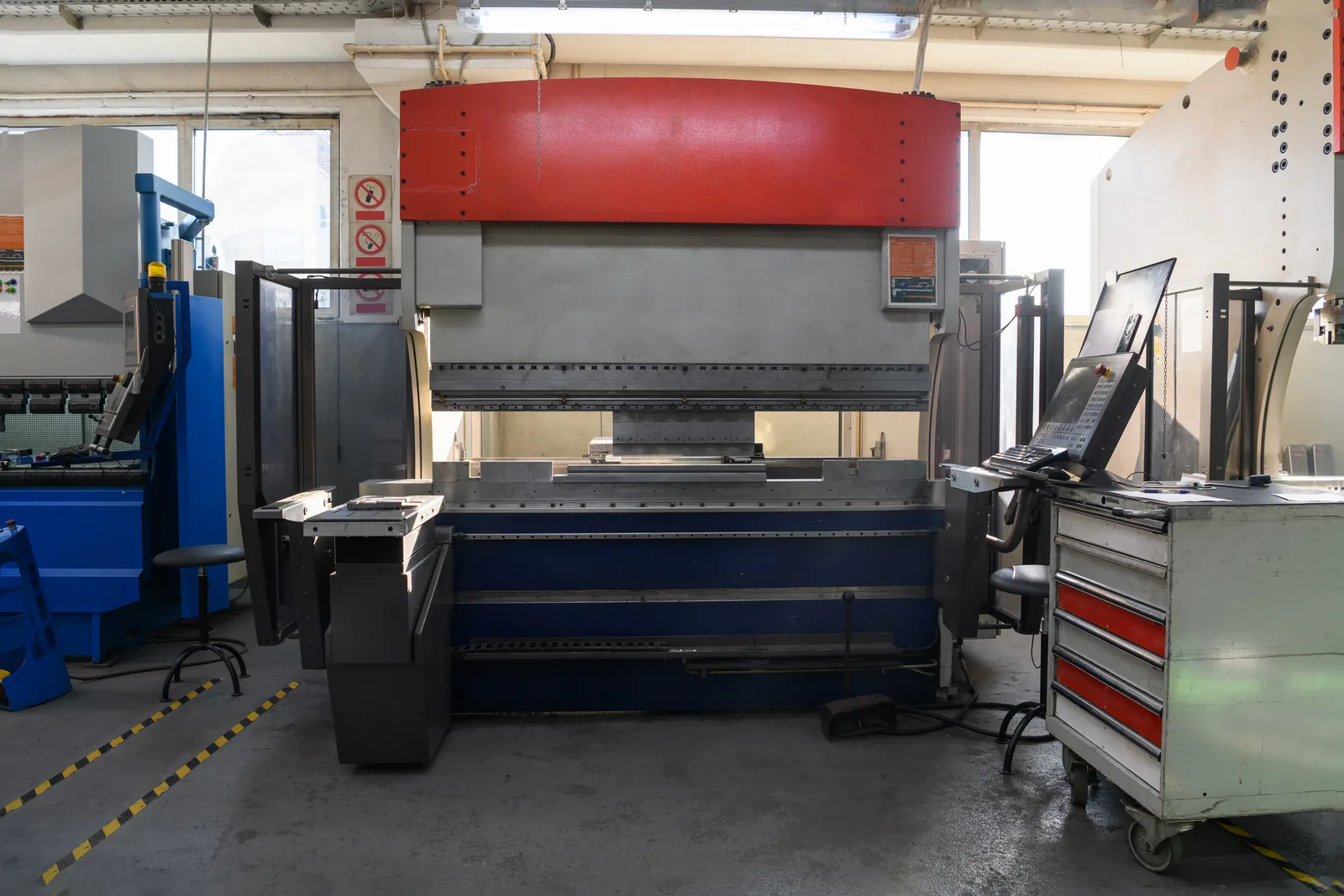
Key features of the dial torque wrench TE51F
Every wrench in this family shares the same dial design, from the bending beam to the US reading scale. Here are the features that matter most when you compare options.
- Direct reading dial face. The dial shows torque in US units the moment load builds. So you see the real value at every point of the pull, not just a single click at a preset.
- Three reading styles. Basic, Follow-up, and Light Signal models suit different jobs in one family. As a result, a plant can match live reading, peak memory, or a visual cue to each task.
- Memory needle on Follow-up. The Follow-up model keeps a second needle at the highest torque reached. This lets an inspector record the peak after the pull, even when the dial was hard to watch.
- Light cue on Light Signal. Light Signal models switch on a light when the needle reaches the value you set. Therefore, operators get a clear signal in loud areas where a click would be hard to hear.
- Standard 2% accuracy class. Snap-on lists this family in its standard 2% accuracy class. That level suits most production, service, and audit work, while the dial still shows the exact reading you reach.
- Wide range of capacities. Ranges in this list run from 15 in-lb up to 800 ft-lb. In addition, square drives span 1/4 inch to 1-1/2 inch, so one family covers small screws and large flanges.
Typical applications
A dial wrench earns its place where the reading itself matters as much as the tightening. The tasks below are the most common uses we see from buyers in Vietnam.
- Audit checks on tightened joints. Inspectors pull slowly on a joint that was already tightened and watch for the needle to jump. The reading then shows whether the fastener reached its spec on the line.
- Breakaway and loosening torque. Some tests need the torque that starts a fastener turning loose. A Follow-up model holds that peak value, so the technician can write it down after the pull.
- Engine and gearbox assembly. Rebuild shops torque head bolts, main caps, and gear covers to US specs. Because the spec changes often, a dial wrench saves time, since there is no setting to adjust.
- Large flange and frame bolts. The longer models in this family reach several hundred ft-lb on 3/4 inch and 1 inch drives. That suits frame bolts, wheel hubs, and heavy pump or valve flanges.
- Small fasteners on electronics. The low in-lb models suit terminal screws, small housings, and connector hardware. In addition, the fine increments let operators stop at a small value without overshoot.
- Test benches and training. Labs and training rooms use dial wrenches to show how torque builds during a pull. Students also learn to read the needle and to pull smoothly, which builds good habits.
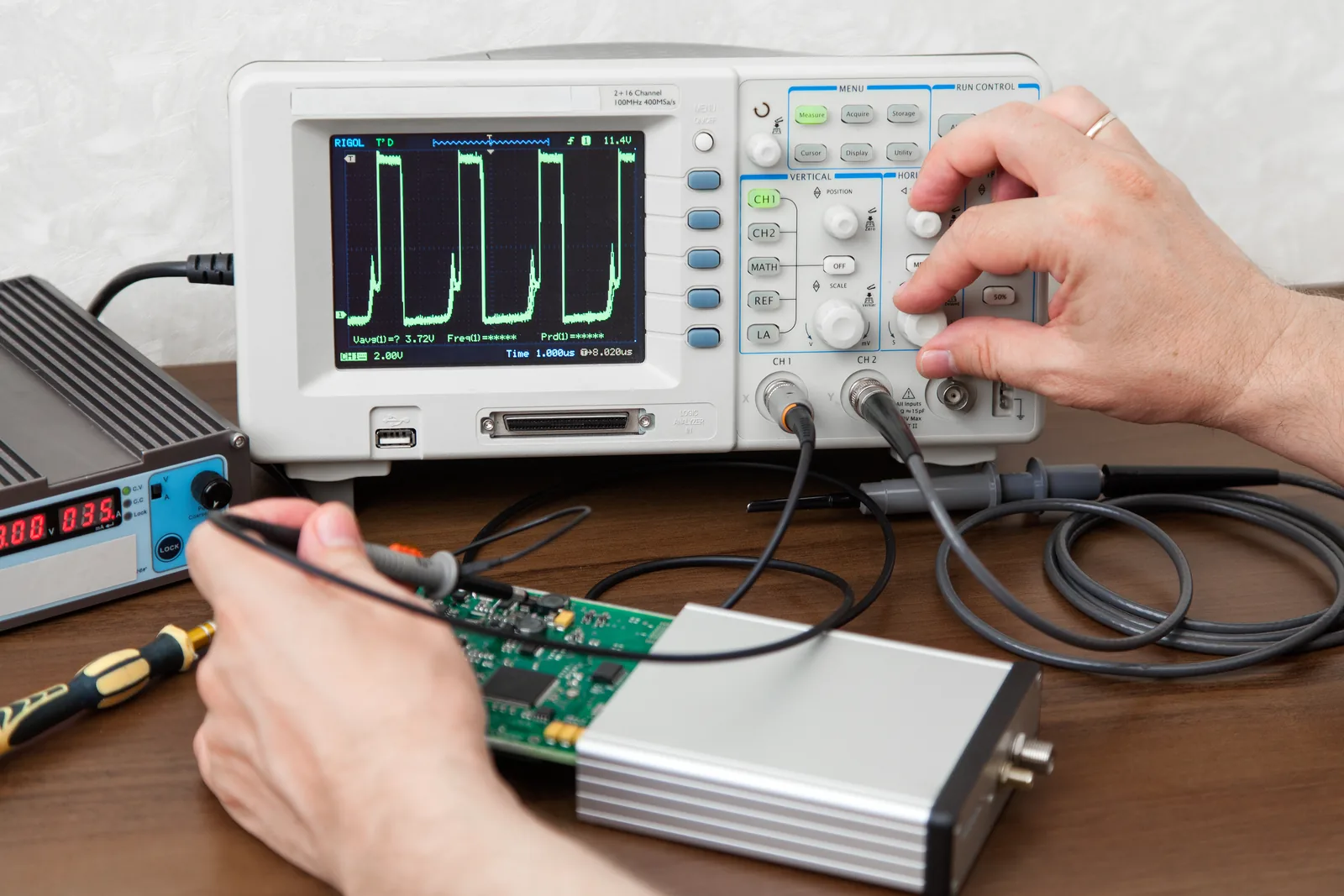
Industries that use the dial torque wrench TE51F
Any sector that audits joints or follows US-unit specs can use a dial wrench. So these tools show up in plants, hangars, labs, and field crews. Here is how each industry uses them in practice.
- Automotive manufacturing. Car and motorbike plants use dial wrenches to audit joints after power tools tighten them. In Vietnam, FDI plants in Hai Phong and Dong Nai often need this kind of documented check.
- Aviation maintenance. Aircraft manuals list torque values in US units for many fasteners and fittings. Therefore, MRO teams at Vietnamese airports use US reading dial wrenches to check work against the manual.
- Heavy equipment service. Excavators, cranes, and mining trucks use large bolts with high torque specs. So service crews across Vietnam rely on the long, large-drive models for track, frame, and hub work.
- Electronics assembly. Electronics plants in Bac Ninh and Thai Nguyen tighten small screws with tight limits. Low-range dial wrenches let quality teams confirm these values during line audits and first article checks.
- Energy and power plants. Turbines, pumps, and transformers carry flange and terminal bolts with strict torque specs. Meanwhile, maintenance teams use Follow-up models to record peak values for each outage report.
- Quality and test labs. Factory quality labs check fasteners, tools, and samples against drawings every day. A dial wrench gives them a direct reading, and the warranty also covers calibration at a Snap-on Repair Center.
Dial torque wrench TE51F compared with similar brands
Several makers still build dial torque wrenches, and each design has its own strengths. Some focus on low cost, while others aim at labs. The comparison below shows where the dial torque wrench TE51F fits among common choices.
| Brand | Comparable product | Strength | Consider |
|---|---|---|---|
| Snap-on | dial torque wrench TE51F | Matches the rest of the Snap-on system you may already own. | Lead time depends on import stock. |
| Tohnichi | Tohnichi DB dial torque wrenches | Long Japanese track record with dial wrenches for factory audit work | Dials often read metric first, so check the scale units you need |
| CDI Torque Products | CDI dial torque wrenches | CDI is a Snap-on company with a broad dial wrench range | Compare accuracy class, dial size, and memory needle options per model |
| Proto | Proto dial torque wrenches | US industrial brand that suits plant maintenance and general service | Check the current range list, since models change over time |
| Norbar | Norbar electronic torque wrenches | Digital readout with data storage for teams that need records | Needs batteries and setup, so it suits different users than dials |
Choose a dial wrench when you need to see torque during the pull or check finished joints. An electronic wrench fits better when you must store data. Meanwhile, click wrenches suit fast repeat work, so confirm current specs with each maker. Specifications change over time, so confirm current data with each maker before you decide.
Choosing the right model
- Pick a range where your usual spec falls in the middle of the dial. Readings near the low end are harder to judge, because the needle moves less per unit.
- Choose the model by the task it will do. For example, use Basic for live reading, Follow-up for peak records, and Light Signal for loud areas or repeat values.
- Match the square drive to your sockets and the length to the space around the joint. Longer models need more room, but they also reduce the pull force.
- Check the dial units before you place an order. This family reads in US units such as in-lb and ft-lb, so a metric spec needs a careful conversion first.
- Next, think about who will read the dial. If several operators share one wrench, a Follow-up model makes peak values easier to confirm and record after each pull.
- Plan the calibration cycle before you order a set. Then you can keep one spare wrench in service while another is away for its recalibration.
For other sizes in the same range, compare TORQOMETER® U.S. Light Signal (with Chart) – TE50LAC, TORQOMETER® U.S. Follow-up (with Chart) – TE6FUAC, TORQOMETER® U.S. Light Signal – TE602LA, TORQOMETER® U.S. Follow-up (with Chart) – TE250FUC. Also browse the full Snap-on torque tools shop for handles, testers and adapters.

Care, storage and calibration
- Store the wrench in its case or a padded drawer, with the dial facing up. That way, the dial glass and the needle stay safe from knocks and drops.
- Wipe oil and dust off the handle and dial after each job with a dry cloth. Also keep solvents away from the dial face, because they can cloud the glass.
- Have the wrench calibrated every 12 months or 5,000 cycles, as ISO 6789-1:2017 recommends. We can arrange recalibration through an accredited laboratory or a Snap-on Repair Center.
- Never pull past the top of the scale or use the wrench as a breaker bar. Overload can bend the beam, so stop and have the wrench checked after any shock.
- Pack the wrench in its case for transport between sites. In addition, keep it dry during the humid season so the drive and gear train stay free of rust.
Frequently asked questions
Can I buy the dial torque wrench TE51F in Vietnam?
Yes. Lost in HCM sources the dial torque wrench TE51F from Snap-on for companies in Vietnam. We quote it with CO/CQ papers and a VAT e-invoice, then deliver nationwide.
What is the difference between Basic, Follow-up, and Light Signal models?
A Basic model shows live torque only. By contrast, a Follow-up model adds a memory needle that stays at the peak reading. Meanwhile, a Light Signal model turns on a light when the needle reaches the value you set on the dial.
Why choose a dial wrench over a click wrench?
A dial wrench shows the actual torque during the whole pull, not only at a preset point. Therefore, it suits audits, breakaway tests, and jobs with changing specs. A click wrench, however, is often faster for repeat work at one value.
Do I need to set the wrench to zero after use?
No, a dial wrench has no preset spring to unload, so the needle returns to zero by itself. Even so, check the zero point before each job. If the needle does not rest at zero, have the wrench checked.
Request a quote
Send us the part number, quantity and delivery site, and we will reply with a quote. You can request a quote online or call 0902 327 669.